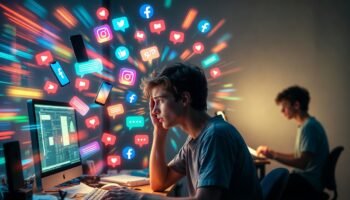
It’s hard to imagine modern life without technology. From smartphones and laptops to streaming platforms and social media, digital devices are woven into nearly every part of our daily routines. We wake up to alarms on our phones, work on screens for hours, relax with online content, and often fall asleep scrolling one last time. While this constant connectivity has its benefits, it has also raised an important question: how technology affects sleep in today’s always-on world.
Over the past two decades, digital device use has skyrocketed. Research consistently shows that people are spending more time on screens than ever before, especially in the evening hours. This shift has quietly coincided with a rise in sleep-related complaints, including difficulty falling asleep, staying asleep, and waking up feeling rested. Many sleep experts now point to technology and sleep deprivation as a growing public health concern.
The connection isn’t just about staying up too late. Technology affects sleep in multiple ways—through prolonged screen time, blue light exposure, and even behavioral patterns linked to phone addiction. Each of these factors can interfere with sleep quality, disrupt natural sleep cycles, and reduce the amount of restorative rest the body gets.
In this article, we’ll break down what tech overuse really means, why it matters for sleep, and how habits like late-night scrolling and excessive screen exposure can quietly undermine your ability to rest well.
Table of Contents
What Is Tech Overuse and Why It Matters for Sleep
Technology overuse doesn’t mean using devices occasionally or for work—it refers to excessive, habitual, or poorly timed use that begins to interfere with daily functioning, including sleep. When technology becomes the default activity during downtime, especially at night, it can start to crowd out behaviors that support healthy rest.
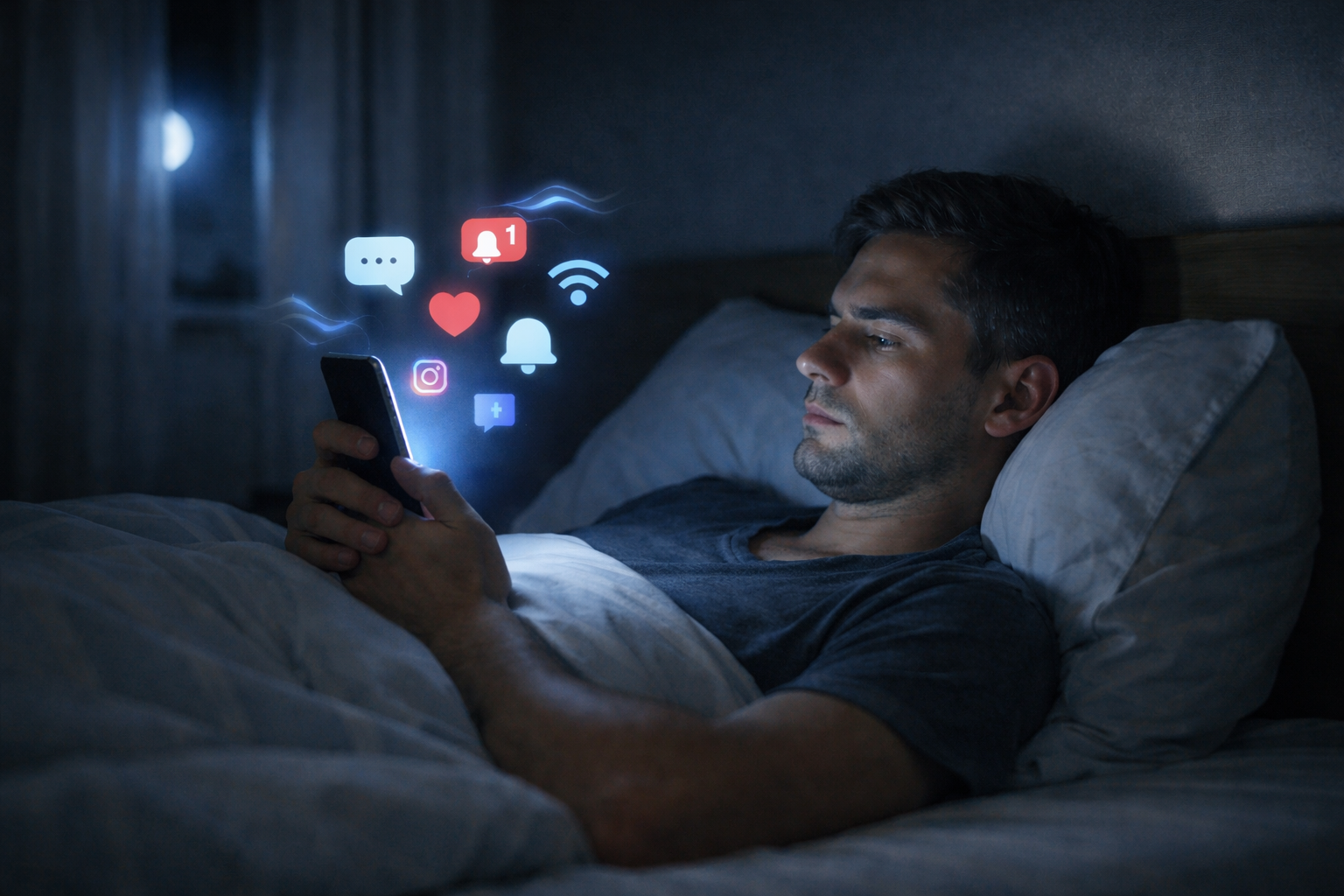
digital burOne of the most common examples of technology overuse is excessive smartphone use before bed. Many people bring their phones into bed with the intention of checking one message or watching a short video, only to spend far longer than planned. This habit trains the brain to associate the bed with stimulation rather than relaxation, making it harder to wind down naturally.
Digital habits also affect sleep through repetition. Checking notifications, responding to messages, or consuming fast-paced content keeps the mind alert when it should be slowing down. Over time, this pattern can delay sleep onset and reduce overall sleep duration. Even when someone manages to fall asleep, the quality of that sleep may suffer due to lingering mental stimulation.
Why does this matter? Sleep is not just “time off.” It’s an active process during which the brain consolidates memory, regulates emotions, and repairs the body. When technology overuse repeatedly interferes with this process, the effects can accumulate, leading to fatigue, reduced focus, and long-term health consequences.
How Screen Time and Sleep Problems Are Connected
The link between screen time and sleep problems is one of the most well-documented aspects of modern sleep research. Excessive screen time affects sleep in both direct and indirect ways, making it harder to fall asleep and harder to stay asleep.
First, screens keep the brain engaged. Whether it’s social media, gaming, or binge-watching shows, digital content is designed to capture attention. This mental stimulation increases alertness at a time when the brain should be transitioning into a relaxed state. As a result, people often experience delayed sleep onset—lying awake even after putting the device away.
Second, screen time pushes bedtime later. Many people underestimate how quickly “just a few minutes” on a device can turn into an hour or more. This bedtime delay reduces total sleep time, which can contribute to chronic sleep deprivation over days or weeks.
Research supports these observations. Studies have found that individuals who use screens within one hour of bedtime are significantly more likely to report poor sleep quality. Adolescents and adults with higher evening screen exposure tend to fall asleep later and get fewer hours of sleep overall. These findings highlight the excessive screen time effects on sleep, especially when device use becomes a nightly routine.
Importantly, screen time doesn’t just affect how long you sleep—it affects how deeply you sleep. Fragmented sleep, frequent awakenings, and lighter sleep stages are more common among people who engage in heavy nighttime screen use. Over time, this can leave individuals feeling unrested even after what seems like a full night in bed.
Blue Light Exposure at Night and Melatonin Suppression
One of the most significant ways technology affects sleep is through blue light exposure at night. Blue light is a high-energy visible light emitted by screens on phones, tablets, computers, and TVs. While blue light is naturally present in daylight and helps regulate alertness, exposure at the wrong time can confuse the body’s internal clock.
The body relies on a hormone called melatonin to signal that it’s time to sleep. Melatonin levels naturally rise in the evening as darkness sets in. However, blue light exposure can suppress melatonin production, essentially telling the brain that it’s still daytime. This process, known as melatonin suppression, delays the feeling of sleepiness and pushes the sleep cycle later.
This disruption affects the circadian rhythm—the body’s internal 24-hour clock that regulates sleep, wakefulness, and other biological processes. When technology use extends into the late evening, it can cause circadian rhythm disruption, making it harder to fall asleep at night and harder to wake up feeling refreshed in the morning.
Digital screens interfere with natural sleep cycles not only by delaying sleep onset but also by shifting the timing of deep and REM sleep. These stages are essential for memory, learning, and emotional regulation. When they are shortened or misaligned, overall sleep quality declines.
While features like night mode and blue light filters can help reduce exposure, they don’t eliminate the problem entirely. The combination of light exposure and mental engagement still signals the brain to stay alert. That’s why many sleep experts recommend limiting screen use altogether in the hour or two before bedtime.
Phone Addiction and Sleep Deprivation
Smartphones are incredible tools, but for many people, they’ve crossed the line from useful to unavoidable. The link between phone addiction and sleep deprivation is becoming increasingly clear as bedtime scrolling turns into a nightly habit rather than an occasional one.
Phone addiction isn’t just about how much time you spend on your device—it’s about compulsive use, especially when you know it’s interfering with your sleep. Many people feel the urge to check notifications late at night, even when they’re tired. This behavior is driven by dopamine, a neurotransmitter associated with reward and motivation. Every notification, message, or new piece of content triggers a small dopamine release, reinforcing the habit and making it harder to stop.
This is why bedtime scrolling is so powerful. Social media apps, short videos, and endless feeds are designed to keep users engaged. Even when the body is physically tired, the brain remains alert, waiting for the next reward. As a result, people often stay awake far longer than intended, cutting into valuable sleep time.
Notifications also play a major role. The anticipation of a message or alert can create a state of hypervigilance, making it difficult to fully relax. Even if notifications are muted, the habit of “just checking” can keep the mind active. Over time, this pattern conditions the brain to associate the bed with stimulation rather than rest.
The outcome is often poor sleep quality. Phone addiction can lead to delayed sleep onset, fragmented sleep, and shorter sleep duration. Even when someone manages to fall asleep, their rest may be lighter and less restorative. This ongoing disruption is one of the clearest ways technology use translates into chronic sleep deprivation.
Mental Health Effects of Technology-Induced Sleep Deprivation
Sleep and mental health are deeply interconnected, and technology-induced sleep loss can significantly impact emotional well-being. When sleep is consistently disrupted by late-night screen use, the effects often extend beyond physical fatigue.
One of the most common consequences is increased stress. Constant connectivity creates a sense of urgency—emails, messages, and news updates don’t stop just because it’s nighttime. This ongoing stimulation prevents the nervous system from fully calming down, making it harder to relax both mentally and physically.
Anxiety and sleep problems frequently reinforce each other. Lack of sleep increases emotional reactivity, making everyday stressors feel more overwhelming. At the same time, anxiety can make it harder to fall asleep, creating a cycle that’s difficult to break. Technology use at night often intensifies this loop by keeping the mind engaged when it should be winding down.
Another growing issue is digital burnout. Burnout isn’t limited to work—it can result from constant information overload and the pressure to stay connected. When people spend their evenings consuming content instead of resting, they lose the mental downtime needed to recover from the day. Over time, this can lead to emotional exhaustion, reduced motivation, and a sense of detachment.
The technology addiction health effects tied to chronic sleep deprivation also include mood disturbances. Irritability, low mood, and difficulty regulating emotions are common when sleep is consistently compromised. In the long term, ongoing sleep loss can increase the risk of more serious mental health challenges.
In short, technology-induced sleep deprivation doesn’t just make people tired—it affects how they think, feel, and cope with daily life.
Signs of Sleep Deprivation Caused by Technology Overuse
Sleep deprivation doesn’t always look dramatic. In many cases, the signs of sleep deprivation from screen time develop gradually and are easy to dismiss as “normal tiredness.” However, recognizing these signs is an important step toward change.
One of the most common symptoms is difficulty falling asleep. Even after putting the phone away, the mind may continue racing, replaying content or conversations from earlier screen use. This delayed sleep onset often leads to frustration and reduced total sleep time.
Another sign is frequent night waking. Technology use before bed can fragment sleep, causing people to wake up multiple times during the night. These awakenings may be brief, but they reduce the amount of deep, restorative sleep the body gets.
Daytime fatigue and reduced focus are also key indicators. When sleep quality suffers, concentration, memory, and reaction time decline. People may rely more heavily on caffeine, feel mentally foggy, or struggle to stay productive.
Mood changes are another red flag. Irritability, low patience, and emotional sensitivity are common when sleep is lacking. These mood shifts can affect relationships, work performance, and overall quality of life.
If these symptoms sound familiar, technology overuse—especially at night—may be a contributing factor.
How to Reduce Technology Use Before Bed for Better Sleep
Improving sleep doesn’t require giving up technology entirely, but it does involve creating healthier boundaries. Learning how to reduce technology use before bed can make a noticeable difference in sleep quality.
One effective strategy is setting screen time limits, particularly in the evening. Many devices now offer built-in tools that track usage and allow users to set reminders or limits. These features can help create awareness and prevent unintentional late-night scrolling.
Another important step is to avoid devices 1–2 hours before sleep whenever possible. This window allows the brain to transition into a more relaxed state. Replacing screen time with calming activities—such as reading, stretching, or listening to soft music—can support this process.
Using night mode or blue light filters can also help reduce the impact of screen exposure. While these tools don’t eliminate all sleep-disrupting effects, they can lessen the intensity of light exposure and reduce strain on the eyes.
Creating a tech-free bedtime routine is one of the most effective habits. This might include charging the phone outside the bedroom, setting a consistent bedtime, and engaging in relaxing rituals that signal to the body that it’s time to sleep. Over time, these routines help retrain the brain to associate bedtime with rest rather than stimulation.
Understanding the technology use before bed effects makes it easier to prioritize these changes and stick with them.
Healthy Screen Time Habits That Improve Sleep Quality
Beyond bedtime routines, adopting healthy screen time habits throughout the day can significantly improve sleep quality over the long term.
One key habit is establishing clear digital boundaries. This might mean limiting social media use, turning off non-essential notifications, or designating screen-free times during the day. Boundaries reduce mental overload and make it easier to disconnect at night.
Replacing scrolling with calming activities is another powerful shift. Activities like journaling, meditation, light stretching, or reading a physical book help the nervous system slow down. These alternatives provide relaxation without the mental stimulation that screens create.
Improving overall sleep hygiene also supports better rest. This includes maintaining a consistent sleep schedule, keeping the bedroom dark and quiet, and avoiding stimulants late in the day. When combined with mindful technology use, these habits create an environment that supports deep, restorative sleep.
Healthy screen habits aren’t about restriction—they’re about balance. When technology use aligns with the body’s natural rhythms, sleep becomes easier and more refreshing.
Conclusion: Understanding How Technology Affects Sleep
Understanding how technology affects sleep reveals a hidden but powerful connection between modern digital habits and sleep deprivation. From phone addiction and dopamine-driven scrolling to mental health effects and disrupted sleep cycles, technology overuse can quietly undermine rest.
The good news is that awareness leads to change. Small habit adjustments—like reducing screen time before bed, setting boundaries, and creating tech-free routines—can have a big impact on sleep quality and overall well-being.
Technology isn’t the enemy, but how we use it matters. By being intentional with devices, especially at night, it’s possible to enjoy the benefits of technology without sacrificing the sleep our bodies and minds need.
FAQ: Technology and Sleep
Does technology cause sleep deprivation?
Technology itself doesn’t cause sleep deprivation, but excessive or poorly timed use—especially before bed—can disrupt sleep patterns and reduce sleep quality.
How much screen time is too much before bed?
Most sleep experts recommend avoiding screens for at least 1 hour before bedtime, with 2 hours being ideal for optimal sleep.
Can blue light ruin sleep?
Blue light can suppress melatonin and disrupt circadian rhythms, making it harder to fall asleep, especially when exposure occurs at night.
Further Reading: Technology, Sleep, and Mental Health
- How Screen Time Affects Sleep
https://www.sleepfoundation.org/how-sleep-works/how-electronics-affect-sleep - Blue Light and Its Impact on Circadian Rhythm
https://www.health.harvard.edu/staying-healthy/blue-light-has-a-dark-side - Smartphone Use and Sleep Quality Research
https://www.ncbi.nlm.nih.gov/pmc/articles/PMC5449130/ - Technology Use and Adolescent Sleep Deprivation
https://www.cdc.gov/sleep/features/teen-sleep-deprivation.html - Digital Addiction and Mental Health Effects
https://www.psychologytoday.com/us/basics/technology-addiction - Sleep Deprivation and Mental Health
https://www.nimh.nih.gov/health/topics/sleep-disorders - Improving Sleep Hygiene for Better Rest
https://www.sleepfoundation.org/sleep-hygiene - The Science of Melatonin and Sleep
https://my.clevelandclinic.org/health/articles/12128-melatonin